
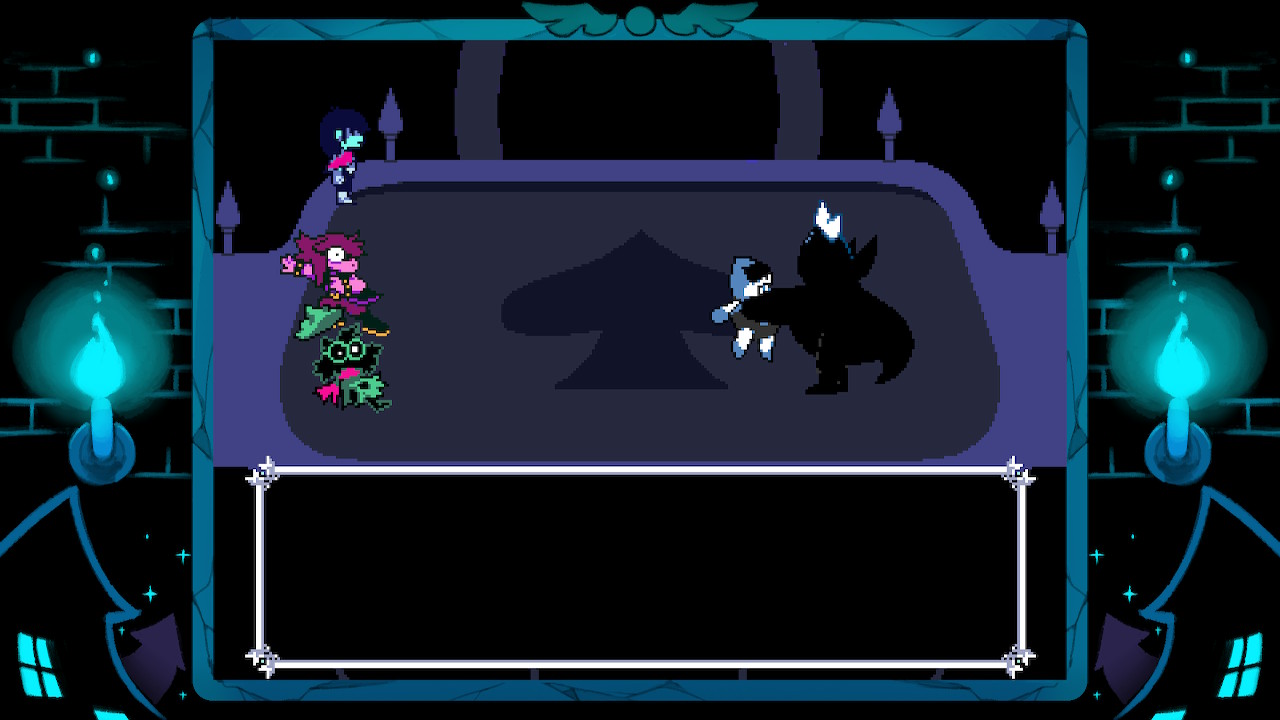
While Deltarune stands as a unique gaming experience, its DNA carries traces of numerous classic titles that helped shape its distinctive style. From combat mechanics to storytelling approaches, creator Toby Fox drew inspiration from several legendary games to craft this beloved RPG. I’m sure Fox was inspired by countless titles, but for the sake of this article, we’re just going to touch on a handful of classics that we can clearly see represented in the game’s design.
The Foundation: Core Influences
At its heart, Deltarune builds upon the groundwork laid by iconic titles like Earthbound, Final Fantasy, and Super Mario RPG. Each of these classics contributed essential elements that define the game’s character.
Earthbound‘s Legacy
The Mother/Earthbound series perhaps left the deepest impression on Deltarune’s soul. Its influence manifests in the distinctive blend of modern settings with fantasy elements, creating a world that feels both familiar and magical. The game’s fourth-wall-breaking humor and quirky character designs bear unmistakable similarities to Earthbound‘s unconventional style. Even the visual presentation of enemy encounters and battle mechanics echoes the innovative approach that made Earthbound a cult classic.
Final Fantasy‘s Framework
The Final Fantasy series provided crucial structural elements to Deltarune‘s design. The modified version of the Active Time Battle system forms the backbone of combat, while traditional party member dynamics and clear character class roles shape the gameplay experience. The menu design, interface elements, and character progression systems all carry the DNA of Square’s legendary franchise.
Super Mario RPG’s Combat Innovation
From Mario’s RPG adventures, Deltarune inherited its engaging combat mechanics. The timing-based attacks, action commands, and visual cues for defensive moves all draw from Super Mario RPG’s pioneering system. The game’s ability to balance humor with serious moments, along with its implementation of multi-character combo attacks, shows clear inspiration from Mario’s role-playing debut.
Deeper Influences
Shin Megami Tensei‘s Complexity
The SMT series influenced Deltarune’s deeper thematic elements. Beneath its cheerful surface lie dark themes and moral choices reminiscent of Atlus’s franchise. The character recruitment mechanics and the concept of alternate worlds echo SMT’s complexity. The game’s exploration of relationships between characters and their environment, along with its philosophical undertones, bears the hallmark of SMT’s sophisticated storytelling.
Chrono Trigger‘s Technical Achievement
Chrono Trigger‘s influence appears in Deltarune‘s technical execution. The sophisticated multi-character combat system and seamless battle transitions show clear inspiration from Square’s time-traveling classic. The way characters interact during combat, the branching narrative paths, and the environmental storytelling all reflect Chrono Trigger‘s innovative approach. The dimension-hopping themes present in Deltarune also mirror Chrono Trigger‘s temporal adventures.

Visual and Audio Heritage
Deltarune‘s distinctive presentation draws from multiple sources across gaming history. The visual style combines 16-bit era RPG aesthetics with elements from early PC adventure games and Japanese bullet hell patterns. The game’s musical composition blends chip tune era sounds with traditional JRPG soundtrack arrangements, creating a unique audio landscape that pays homage to gaming’s past while forging its own identity.
What makes Deltarune special isn’t just its borrowing from these classics, but how it synthesizes these elements into something new. By understanding its influences, we can better appreciate how Toby Fox crafted a game that both honors gaming history and pushes the medium forward. Deltarune stands as a testament to how modern games can build upon the foundations laid by their predecessors while creating something entirely original.


Leave a Reply